Delving into the realm of mental health services in Asia reveals a complex landscape filled with challenges and cultural nuances that significantly impact access. As we navigate through this crucial topic, readers can expect to gain a deeper understanding of the current scenario and the various factors at play.
Overview of Mental Health Services in Asia
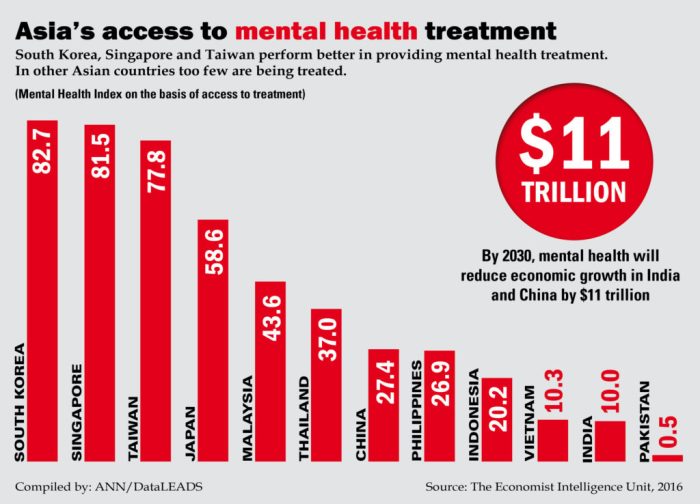
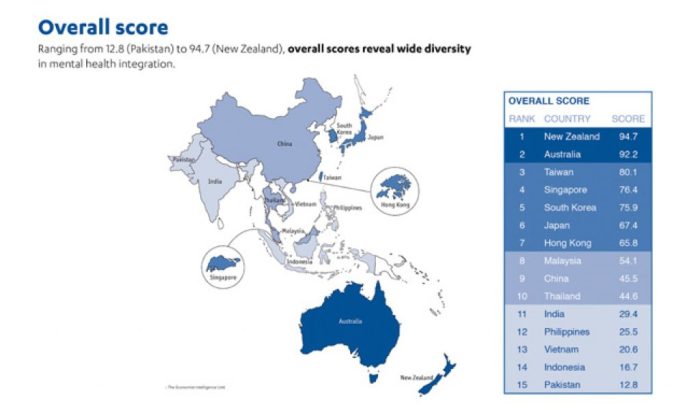
In Asia, the landscape of mental health services varies significantly from country to country. While some nations have well-established mental health infrastructure, others struggle to provide adequate support and resources for those in need.
Key Challenges in Accessing Mental Health Services
- Stigma: Cultural attitudes towards mental health often lead to stigma and discrimination, preventing individuals from seeking help.
- Lack of resources: Many Asian countries face shortages of mental health professionals, facilities, and funding, limiting access to quality care.
- Rural-urban divide: Access to mental health services is often concentrated in urban areas, leaving those in rural regions underserved.
- Lack of awareness: Limited understanding of mental health issues and available services can hinder individuals from seeking help.
Cultural Attitudes Towards Mental Health
- Cultural beliefs and norms can influence how mental health is perceived and addressed within Asian communities.
- Traditional practices and taboos surrounding mental illness may prevent individuals from seeking professional help.
- Familial and societal expectations can also impact the willingness of individuals to disclose mental health concerns.
Role of Government Policies
- Government policies play a crucial role in shaping the accessibility and quality of mental health services in Asia.
- Policies that prioritize mental health funding, training programs, and awareness campaigns can improve access to care.
- However, inconsistent policies, lack of regulation, and limited government investment can hinder the expansion of mental health services.
Availability of Mental Health Professionals in Asia
In Asia, the availability of mental health professionals varies significantly across different regions. While some countries have a higher concentration of psychiatrists, psychologists, and counselors, others struggle with a severe shortage of these professionals.
Distribution in Urban vs. Rural Areas
In many Asian countries, mental health professionals are predominantly located in urban areas, leaving rural regions underserved. This urban-rural disparity often results in limited access to mental health services for individuals living in remote or less developed areas. The lack of infrastructure and resources in rural areas further exacerbates this divide, making it challenging for residents to receive timely and adequate mental health support.
Training and Qualifications
The training and qualifications required for mental health professionals in Asian countries vary depending on the specific profession. Psychiatrists typically undergo medical training and specialize in mental health, while psychologists and counselors may have different educational backgrounds and certifications. In some countries, strict licensing requirements ensure that mental health professionals meet certain standards of competence and ethics before practicing independently.
However, there are also regions where the regulations and oversight of mental health professionals are less stringent, leading to concerns about the quality of care provided.
Affordability and Insurance Coverage
In Asia, the cost of mental health services can vary significantly depending on the country and the type of treatment required
Cost of Mental Health Services in Asia
In many Asian countries, mental health services can be expensive, making it challenging for individuals to afford regular treatment sessions. The cost of therapy, medication, and hospitalization can add up quickly, especially for those with limited financial resources.
Insurance Coverage for Mental Health Treatments
Insurance coverage for mental health treatments in Asia varies widely across different countries. While some countries have comprehensive mental health coverage as part of their national healthcare system, others may have limited coverage or no coverage at all. This lack of insurance coverage can create barriers for individuals seeking mental health treatment, as they may have to bear the full cost themselves.
Barriers Faced by Individuals Unable to Afford Mental Health Services
For individuals who cannot afford mental health services, the barriers to accessing treatment can be significant. These individuals may delay seeking help, leading to worsening mental health conditions. The stigma surrounding mental health issues may also prevent them from reaching out for support.
Additionally, the lack of affordable options can leave many individuals without access to necessary care, impacting their overall well-being and quality of life.
Stigma and Cultural Barriers
In Asian societies, there is a significant stigma associated with mental health issues that often prevents individuals from seeking help. This stigma is deeply rooted in cultural beliefs and practices, leading to discrimination and social exclusion for those with mental health conditions.
Impact of Cultural Beliefs
- Cultural beliefs surrounding mental health often view it as a personal weakness or a result of bad karma, leading to shame and embarrassment for individuals experiencing mental health issues.
- In some cultures, seeking help for mental health is seen as a sign of weakness or failure, discouraging individuals from reaching out to mental health professionals.
Successful Initiatives
- The "Time to Change" campaign in Hong Kong has been successful in reducing stigma by promoting open conversations about mental health and encouraging individuals to seek help without fear of judgment.
- In Japan, initiatives like the "Listening Hearts" program have provided peer support and counseling services to help individuals feel more comfortable discussing their mental health concerns.
Last Recap
In conclusion, the discussion on access to mental health services in Asia sheds light on the importance of addressing barriers and promoting acceptance within diverse cultural contexts. By fostering open dialogue and implementing effective strategies, we can strive towards a future where mental health support is readily available to all individuals in need.
FAQ Compilation
What are the common challenges in accessing mental health services in Asia?
Common challenges include stigma surrounding mental health, limited availability of professionals in rural areas, and affordability issues.
Are there successful initiatives in Asia that have helped reduce stigma around mental health?
Yes, there are various initiatives such as public awareness campaigns, community support programs, and educational workshops that have been successful in reducing stigma.
How do government policies impact access to mental health services in Asian countries?
Government policies can either promote or hinder access to mental health services by influencing funding, resource allocation, and the overall prioritization of mental health within the healthcare system.