Future of personalized health plans sets the stage for this enthralling narrative, offering readers a glimpse into a story that is rich in detail and brimming with originality from the outset.
As we delve deeper into the realm of personalized health plans, we uncover the transformative impact they have on individuals and healthcare providers alike.
Overview of Personalized Health Plans
Personalized health plans are tailored healthcare strategies designed to meet the specific needs of individuals based on factors like genetics, lifestyle, and personal health goals. These plans veer away from the traditional one-size-fits-all approach by taking into account the unique characteristics and requirements of each person.
Significance of Personalized Health Plans
Personalized health plans play a crucial role in improving health outcomes by providing targeted interventions that address the individual's specific health concerns. By customizing treatment and prevention strategies, these plans can lead to better health management and disease prevention.
Differences from Traditional Approaches
Traditional healthcare approaches often follow generalized guidelines that may not consider the unique circumstances of each individual. In contrast, personalized health plans utilize detailed information about the individual's health profile to create tailored interventions that are more effective and precise.
Benefits for Individuals and Healthcare Providers
For Individuals
Personalized health plans empower individuals to take control of their health by providing personalized recommendations that align with their goals and preferences.
These plans can lead to improved health outcomes, better management of chronic conditions, and a higher quality of life.
For Healthcare Providers
Personalized health plans allow healthcare providers to offer more targeted and efficient care, leading to better treatment outcomes and patient satisfaction.
By incorporating personalized approaches, providers can optimize resource allocation and enhance the overall quality of care delivery.
Technology in Personalized Health Plans
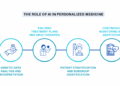
Technology plays a crucial role in shaping personalized health plans by leveraging tools such as artificial intelligence (AI), wearables, and data analytics to tailor healthcare strategies to individual needs. These advancements not only enhance the quality of care but also improve patient outcomes by providing more precise and targeted interventions.
AI in Personalized Health Plans
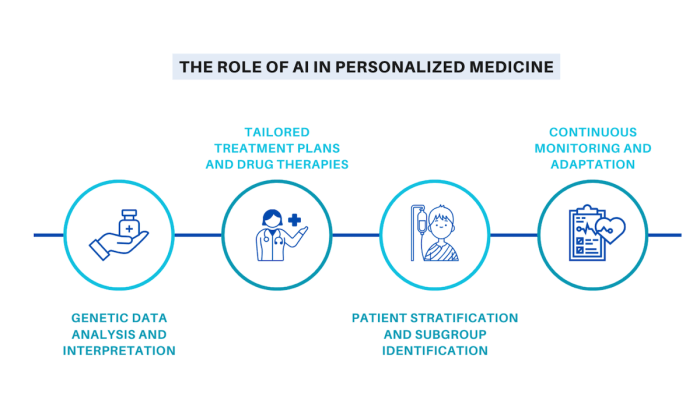
Artificial intelligence is revolutionizing personalized health plans by analyzing vast amounts of data to identify trends, predict health risks, and recommend personalized treatment plans. For example, AI-powered algorithms can analyze genetic information to determine a patient's predisposition to certain diseases and suggest preventive measures.
This level of customization allows healthcare providers to deliver proactive and personalized care to individuals.
Wearables and Data Analytics
Wearable devices, such as fitness trackers and smartwatches, collect real-time data on various health metrics like heart rate, sleep patterns, and activity levels. This information, combined with data analytics, enables healthcare professionals to monitor patients remotely, track progress, and make informed decisions about their treatment plans.
For instance, continuous glucose monitors can provide valuable insights for patients with diabetes, allowing for personalized adjustments to their medication and lifestyle choices.
Future Advancements
The future of personalized health plans is promising, with advancements in technology expected to further enhance individualized care. For instance, the integration of genomics and AI could lead to more precise and targeted treatments based on a person's genetic makeup.
Additionally, the use of virtual reality and telemedicine can improve access to healthcare services, especially for individuals in remote areas. By embracing these technological innovations, personalized health plans are poised to become even more effective in meeting the unique needs of each patient.
Data Privacy and Security
In the realm of personalized health plans, data privacy and security are paramount considerations to ensure the confidentiality and protection of personal health information
Methods and Technologies for Data Confidentiality
- Encryption: Personal health data is often encrypted to prevent unauthorized access. This ensures that only authorized individuals can view and interpret the information.
- Access Control: Implementing strict access controls helps in limiting the individuals who can view or modify personal health data, reducing the risk of breaches.
- Secure Platforms: Utilizing secure platforms and databases with robust security measures in place can safeguard personal health information from cyber threats.
- Anonymization Techniques: Employing anonymization techniques can remove identifiable information from health data, maintaining privacy while still allowing for analysis and personalized planning.
Importance of Data Security in Personalized Health Planning
Maintaining data security in personalized health planning is crucial to build trust with individuals entrusting their sensitive health information. By ensuring the confidentiality and integrity of personal health data, individuals are more likely to engage with and benefit from personalized health plans tailored to their specific needs and goals.
Collaboration in Personalized Health Plans
Collaboration between healthcare providers, data analysts, and individuals is crucial in developing effective personalized health plans. By working together, these stakeholders can leverage their unique expertise to tailor healthcare strategies to meet individual needs and improve overall health outcomes.
Successful Collaborations for Improved Health Outcomes
- One successful collaboration involved a team of healthcare providers, data analysts, and patients working together to develop a personalized treatment plan for diabetes management. By combining clinical expertise with patient-generated data, they were able to create a plan that significantly improved patient adherence and outcomes.
- Another example is the collaboration between researchers, healthcare providers, and technology companies to develop personalized cancer treatment plans based on genetic testing. This collaborative effort has led to more targeted treatments and better survival rates for patients.
Challenges in Collaborative Efforts and Solutions
- One challenge in collaborative efforts for personalized health planning is the integration of data from different sources. To overcome this, establishing clear data sharing protocols and using secure platforms for data exchange can help ensure seamless collaboration.
- Another challenge is coordinating care between multiple providers and individuals. By implementing care coordination tools and regular communication channels, stakeholders can work together more effectively to create and implement personalized health plans.
Outcome Summary
In conclusion, the future of personalized health plans holds immense promise in revolutionizing healthcare delivery and enhancing individual well-being. As we embrace technological advancements and prioritize collaboration, the landscape of personalized health planning is poised for remarkable growth and innovation.
FAQs
How do personalized health plans differ from traditional approaches?
Personalized health plans focus on tailoring healthcare strategies to individual needs, whereas traditional methods follow a one-size-fits-all approach.
What role does technology play in shaping personalized health plans?
Technology such as AI, wearables, and data analytics is crucial in customizing health plans and improving healthcare outcomes.
How is data privacy ensured in personalized health planning?
Various methods and technologies are employed to maintain the confidentiality of personal health data, safeguarding privacy.
Why is collaboration important in creating effective personalized health plans?
Collaboration between healthcare providers, data analysts, and individuals ensures a holistic approach to healthcare, leading to improved outcomes.