Exploring the differences in health insurance systems between the USA and Europe reveals intriguing insights into how healthcare is structured and accessed in these regions. From costs to coverage and government regulations, the comparison sheds light on key aspects that impact individuals' access to healthcare.
Overview of Health Insurance in USA and Europe
Health insurance systems in the USA and Europe differ significantly in terms of structure, coverage, and accessibility.
Healthcare System in the USA
In the USA, the healthcare system is primarily based on private health insurance. Individuals can obtain insurance through their employer, government programs like Medicare and Medicaid, or purchase plans independently. The Affordable Care Act (ACA) also plays a role in expanding coverage options.
Healthcare System in Europe
European countries generally have universal healthcare systems that provide coverage for all residents. These systems are often funded through taxation and provide comprehensive healthcare services to the population. Countries like the UK, Germany, and France have well-established public healthcare systems.
Fundamental Differences in Health Insurance
- In the USA, health insurance is often tied to employment, leaving those without a job vulnerable to lack of coverage. In Europe, health insurance is typically universal and not dependent on employment status.
- Cost is a significant factor in the USA, with high premiums, deductibles, and out-of-pocket expenses. In contrast, European countries often have lower overall healthcare costs due to government regulation and negotiation with healthcare providers.
- Access to healthcare services is more equitable in Europe, as the universal systems ensure coverage for all residents. In the USA, disparities in access exist, with certain populations facing barriers to healthcare due to cost or lack of insurance.
- Quality of care can vary between the USA and Europe, with some European countries ranking higher in healthcare outcomes and patient satisfaction compared to the US system.
Types of Health Insurance Plans
In the United States, there are several common types of health insurance plans that individuals can choose from based on their needs and preferences. These include Health Maintenance Organizations (HMOs), Preferred Provider Organizations (PPOs), Exclusive Provider Organizations (EPOs), and Point of Service (POS) plans.In Europe, various health insurance models are prevalent depending on the country and its healthcare system.
Some countries have a National Health Service (NHS) model where healthcare is funded through taxes and provided by the government. Others have a social health insurance model where individuals contribute based on their income to a fund that covers healthcare costs.
Comparison of Health Insurance Plans between USA and Europe
- Coverage: In the USA, health insurance plans may have limitations on coverage and may require individuals to pay out-of-pocket costs. In Europe, the coverage under national health systems is usually comprehensive, with minimal out-of-pocket expenses for the insured.
- Cost: Health insurance plans in the USA can be expensive, especially for those without employer-sponsored coverage. In Europe, the cost of health insurance is often lower due to government subsidies and cost-sharing mechanisms.
- Accessibility: Access to healthcare in the USA can be challenging for those without insurance or with limited coverage. In Europe, healthcare is generally more accessible to all residents, regardless of their insurance status.
Costs and Affordability
When it comes to health insurance costs in the USA, they can vary significantly depending on factors such as age, location, and the type of plan chosen. On average, Americans spend around $440 per month on health insurance premiums, with deductibles ranging from $1,655 to $8,439 per year.
Typical Costs Associated with Health Insurance in the USA
In the USA, health insurance costs are often high, with premiums increasing each year. Employers usually cover a portion of these costs for their employees, but individuals who need to purchase insurance independently can face steep monthly premiums and out-of-pocket expenses.
- Monthly Premiums: The average monthly premium for health insurance in the USA is around $440, but this can vary widely based on factors such as age, location, and the level of coverage.
- Deductibles: Deductibles in the USA can range from $1,655 to $8,439 per year, meaning individuals must pay this amount out of pocket before insurance coverage kicks in.
Affordability of Health Insurance for Different Income Groups in Europe
Europe has a different approach to healthcare, with most countries offering universal healthcare coverage funded through taxation. This system aims to provide affordable healthcare to all citizens, regardless of income level.
- Universal Coverage: In Europe, most countries have universal healthcare coverage, ensuring that all citizens have access to necessary medical services without facing financial hardship.
- Income-Based Contributions: European countries often use a progressive tax system to fund healthcare, with higher-income individuals paying more in taxes to support the healthcare system.
Out-of-Pocket Expenses in the USA and Europe
Out-of-pocket expenses refer to the costs that individuals must pay directly for medical services not covered by insurance. These expenses can vary significantly between the USA and Europe due to differences in healthcare systems.
- USA: In the USA, out-of-pocket expenses can be substantial, with individuals often facing high deductibles, copayments, and coinsurance for medical services.
- Europe: In Europe, out-of-pocket expenses are typically lower, thanks to universal healthcare coverage that reduces the financial burden on individuals when seeking medical treatment.
Access to Healthcare Services
Access to healthcare services is a crucial aspect of health insurance coverage, impacting individuals' ability to receive timely and quality medical care. Let's delve into how health insurance affects access to healthcare services in the USA and Europe, including waiting times for medical treatments and the choice of healthcare providers.
Impact of Health Insurance on Access to Healthcare Services in the USA
In the USA, health insurance plays a significant role in determining access to healthcare services
On the other hand, uninsured individuals may delay or forgo necessary medical treatment due to concerns about high out-of-pocket expenses.
- Health insurance coverage in the USA is often tied to employment, leaving many individuals without coverage if they lose or change jobs.
- Medicaid and Medicare programs provide coverage for low-income individuals and seniors, respectively, helping to improve access to healthcare services for vulnerable populations.
Comparison of Waiting Times for Medical Treatments in the USA and Europe
Waiting times for medical treatments can vary between the USA and Europe due to differences in healthcare systems and insurance coverage. In the USA, some individuals may experience long wait times for specialist appointments or non-emergency procedures, depending on their insurance plan and provider network.
In Europe, countries with universal healthcare systems often have shorter waiting times for medical treatments, as access to care is based on medical need rather than ability to pay. However, wait times can still vary depending on the specific treatment needed and the healthcare provider's availability.
How Health Insurance Influences the Choice of Healthcare Providers
Health insurance coverage can influence individuals' choice of healthcare providers in both the USA and Europe. In the USA, individuals with private insurance plans may be limited to using healthcare providers within their insurance network to receive full coverage benefits, leading to restricted choices in providers.
On the other hand, in Europe, individuals covered under universal healthcare systems have more flexibility in choosing healthcare providers, as they are not restricted by network limitations. This can result in greater freedom to seek care from a wider range of providers based on personal preferences or recommendations.
Government Regulations and Policies
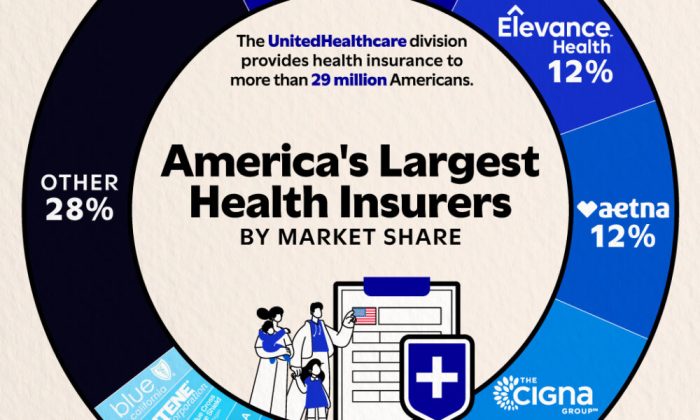
Government regulations play a crucial role in shaping the health insurance market in the USA and Europe. While the US follows a more market-based approach, European countries have varying degrees of government involvement in healthcare.
Role of Government Regulations in the US Health Insurance Market
In the United States, government regulations primarily focus on ensuring consumer protection, preventing discrimination based on pre-existing conditions, and setting minimum standards for coverage. The Affordable Care Act (ACA) introduced several regulations to improve access to health insurance and enhance the quality of care.
However, the US healthcare system remains largely privatized, with limited government intervention compared to European countries.
Impact of Government Policies on Health Insurance in European Countries
European countries have adopted different healthcare models, ranging from universal healthcare systems to mixed public-private systems. Government policies in Europe aim to provide universal coverage, promote equity in access to healthcare services, and control costs through centralized planning and regulation.
This results in a higher level of government involvement in healthcare compared to the US.
Comparison of Government Involvement in Healthcare between the USA and Europe
Overall, European countries tend to have higher levels of government involvement in healthcare compared to the United States. The US relies more on private insurance providers and market forces to regulate the health insurance industry, while European countries prioritize universal coverage and government-led healthcare systems.
This difference in approach leads to varying outcomes in terms of access to care, cost control, and overall health outcomes.
Conclusive Thoughts
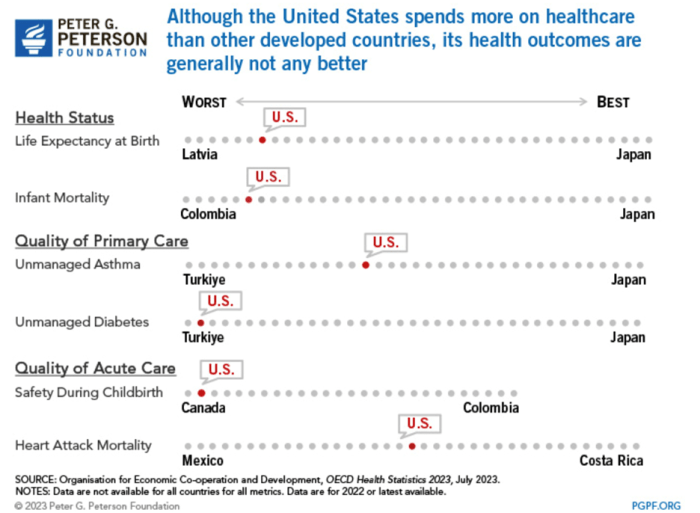
In conclusion, the comparison of health insurance between the USA and Europe showcases the varying approaches to healthcare provision and accessibility. Understanding these differences can help individuals make informed decisions regarding their health coverage needs.
Essential FAQs
What are the main types of health insurance plans in Europe?
In Europe, common health insurance models include the National Health Service (NHS) in the UK, social health insurance in Germany, and universal healthcare systems in countries like France and Sweden.
How do out-of-pocket expenses differ between the USA and Europe?
In the USA, individuals often face higher out-of-pocket expenses due to copays, deductibles, and coinsurance, while in Europe, these costs are generally lower or non-existent due to the comprehensive coverage provided by many healthcare systems.
What is the role of government regulations in the US health insurance market?
Government regulations in the US health insurance market dictate requirements for insurers, such as coverage mandates, pricing regulations, and oversight to ensure consumer protection.