Diving into the realm of Health insurance with wellness benefits, this introduction captivates readers with a fresh perspective on the importance of holistic health coverage.
Providing insights into the various components of wellness benefits and their impact on individuals' overall well-being, this overview sets the stage for an informative discussion.
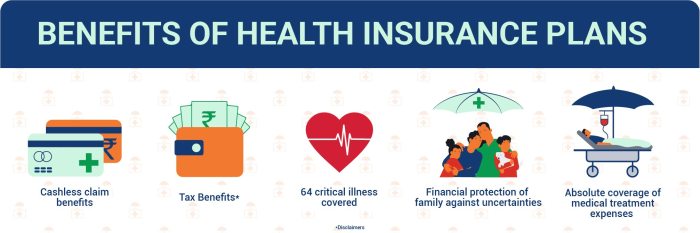
Benefits of Health Insurance with Wellness Programs
Health insurance with wellness programs offers a range of benefits that go beyond traditional coverage. These programs are designed to promote preventive care and healthy lifestyle choices, ultimately leading to improved overall health and well-being.
Wellness Benefits in Health Insurance
Wellness benefits in health insurance plans typically include access to various programs and services aimed at promoting healthy behaviors and preventing illness. These can encompass activities such as:
- Annual health screenings
- Nutrition and weight management counseling
- Smoking cessation programs
- Physical fitness classes or gym memberships
- Mental health resources and counseling
Contribution to Overall Health and Well-Being
Wellness benefits play a crucial role in improving overall health and well-being by encouraging individuals to adopt healthier lifestyle habits and seek preventive care. By participating in wellness programs, individuals can better manage chronic conditions, reduce their risk of developing diseases, and enhance their quality of life.
Comparison with Traditional Health Insurance Plans
Traditional health insurance plans primarily focus on covering medical expenses related to illness or injury. In contrast, health insurance with wellness benefits places a greater emphasis on preventive care and promoting healthy living. This proactive approach not only helps individuals stay healthy but also reduces healthcare costs in the long run by preventing the need for expensive treatments.
Importance of Preventative Care in Health Insurance
Preventative care plays a crucial role in maintaining good health by focusing on early detection and prevention of health issues before they escalate. This proactive approach not only improves overall health outcomes but also helps in reducing healthcare costs in the long run.
Health insurance with wellness benefits is designed to encourage individuals to prioritize preventative care and take proactive steps towards their health and well-being.
Role of Preventative Care in Health Insurance
Preventative care services covered under wellness programs typically include regular health screenings, vaccinations, counseling for healthy lifestyle choices, and chronic disease management. By promoting these preventative services, health insurance with wellness benefits empowers individuals to stay on top of their health and address any potential issues early on.
This proactive approach can lead to better health outcomes and reduce the need for costly medical interventions down the line.
Impact of Preventative Care on Healthcare Costs
Regular preventative care not only helps in early detection and management of health conditions but also reduces the likelihood of developing more serious and costly health issues in the future. By encouraging preventative care through wellness programs, health insurance providers can help individuals stay healthier and minimize the need for expensive medical treatments.
This, in turn, can lead to significant cost savings for both individuals and insurance companies in the long term.
Incentives and Rewards for Healthy Behavior
Incentives and rewards play a crucial role in motivating individuals to adopt and maintain healthy behaviors. Health insurance plans with wellness benefits often offer various incentives to encourage their members to prioritize their health and well-being.
Types of Incentives and Rewards
- Financial Incentives: Some health insurance plans provide discounts on premiums, cash rewards, or reduced out-of-pocket costs for engaging in healthy activities such as regular exercise, achieving weight loss goals, or quitting smoking.
- Gift Cards and Merchandise: Members may earn gift cards, fitness gear, or other merchandise by participating in wellness programs, completing health assessments, or attending preventive screenings.
- Points-Based Systems: Insurance plans may use a points-based system where members earn points for healthy behaviors, which can be redeemed for rewards such as gym memberships, healthy food delivery services, or wellness retreats.
Effectiveness of Incentives in Promoting Healthy Choices
Incentives have been shown to be highly effective in motivating individuals to adopt healthier lifestyles. By offering tangible rewards for positive behaviors, insurance plans can drive engagement and compliance with wellness programs. Studies have demonstrated that individuals are more likely to stick to healthy habits when incentivized, leading to improved health outcomes and reduced healthcare costs in the long run.
Impact on Health Outcomes and Insurance Premiums
By promoting healthy behaviors through incentives, health insurance plans can help prevent chronic diseases, reduce the need for medical interventions, and ultimately lower healthcare costs. Individuals who actively participate in wellness programs and earn rewards for healthy behaviors are more likely to experience better health outcomes, leading to decreased utilization of healthcare services and lower insurance premiums for both the individual and the insurance provider.
Accessibility and Affordability of Wellness Benefits
Wellness benefits play a crucial role in making healthcare more accessible to a wider population by promoting preventive care and encouraging individuals to take an active role in managing their health. These benefits not only focus on treating illnesses but also on preventing them, ultimately leading to a healthier population.
Cost-Effective Wellness Initiatives
When it comes to the affordability of health insurance plans with wellness programs, insurance providers offer various cost-effective initiatives to incentivize healthy behaviors. Some examples include discounted gym memberships, virtual fitness classes, smoking cessation programs, and healthy eating workshops. These initiatives not only benefit the individuals participating but also help reduce healthcare costs in the long run.
Coverage and Costs Across Different Plans
It's important to compare the coverage and costs of wellness benefits across different health insurance plans to ensure that you are getting the most value for your money. While some plans may offer comprehensive wellness programs at a higher premium, others may provide basic wellness benefits at a more affordable cost.
It's essential to weigh the benefits and costs to choose a plan that aligns with your healthcare needs and financial situation.
Last Point
In conclusion, the discussion around Health insurance with wellness benefits sheds light on the evolving landscape of healthcare, emphasizing the significance of proactive and preventive measures for a healthier future.
Expert Answers
What are wellness benefits in health insurance?
Wellness benefits in health insurance encompass various programs and services aimed at promoting preventive care and overall well-being, such as gym memberships or nutritional counseling.
How do incentives contribute to healthy behavior?
Incentives offered by health insurance plans with wellness benefits motivate individuals to adopt healthy lifestyle choices by rewarding them for activities like regular exercise or health screenings.
Are wellness benefits cost-effective?
Yes, wellness benefits can be cost-effective as they focus on preventive care, which can help reduce long-term healthcare expenses by keeping individuals healthier and addressing health issues early on.