Delving into the realm of Remote work and its long-term health effects opens up a world of possibilities. As our work landscape continues to evolve, understanding the implications of this shift on our well-being becomes increasingly crucial. Let's embark on a journey to unravel the intricate relationship between remote work and our long-term health.
As we delve deeper, we uncover the nuances of physical and mental health impacts, shedding light on key aspects that often go unnoticed in the realm of remote work.
Overview of Remote Work and Health
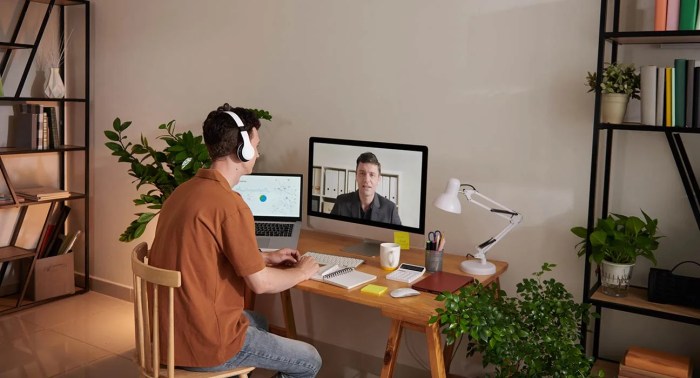
Remote work has become increasingly prevalent in today's workplace, especially with the rise of technology that allows for seamless communication and collaboration from any location. This shift to remote work has brought about both benefits and challenges, including implications for long-term health.Long-term health effects related to remote work can stem from various factors, such as prolonged sitting, lack of physical activity, increased screen time, and blurred boundaries between work and personal life.
These factors can contribute to a range of health issues, including musculoskeletal problems, eye strain, mental health concerns, and overall reduced well-being.
Common Health Issues Associated with Remote Work
- Prolonged sitting: Sitting for extended periods can lead to poor posture, back pain, and increased risk of cardiovascular issues.
- Lack of physical activity: Reduced opportunities for movement and exercise can impact physical fitness and overall health.
- Increased screen time: Excessive screen time can cause eye strain, headaches, and disrupt sleep patterns.
- Blurred work-life boundaries: Difficulty in separating work from personal time can lead to burnout, stress, and mental health challenges.
Physical Health Impacts
Prolonged sitting can have detrimental effects on physical health, leading to issues such as poor posture, musculoskeletal problems, and increased risk of chronic conditions like obesity and cardiovascular disease. It can also contribute to mental health issues like anxiety and depression.
Impact of Prolonged Sitting
- Increased risk of back, neck, and shoulder pain
- Reduced circulation and increased risk of blood clots
- Negative impact on metabolism and digestion
- Decreased muscle tone and flexibility
Importance of Ergonomics
Ergonomics plays a crucial role in a remote work setup as it focuses on designing workspaces and equipment to fit the individual's needs and reduce the risk of injury or strain. Proper ergonomics can help maintain good posture, reduce muscle fatigue, and prevent musculoskeletal issues.
Exercises and Stretches
- Neck rolls and shoulder shrugs to relieve tension
- Seated spinal twist to improve flexibility
- Standing desk stretches to promote blood flow
- Lunges and squats to engage leg muscles
Mental Health Impacts
Remote work can have significant effects on mental health, with challenges such as social isolation and work-life balance.
Psychological Effects of Social Isolation
Social isolation in remote work can lead to feelings of loneliness, disconnection, and decreased motivation. Lack of face-to-face interaction with colleagues can impact mental well-being and result in feelings of isolation.
Challenges of Maintaining Work-Life Balance
In a remote work environment, the boundaries between work and personal life can blur, making it challenging to disconnect from work. This can lead to increased stress, burnout, and difficulty in maintaining a healthy work-life balance.
Strategies for Managing Stress and Preventing Burnout
- Establish a routine: Create a structured daily schedule that includes work hours, breaks, and time for relaxation.
- Set boundaries: Define clear boundaries between work and personal time to avoid overworking and burnout.
- Stay connected: Maintain regular communication with colleagues, friends, and family to combat feelings of isolation.
- Practice self-care: Engage in activities that promote mental well-being, such as exercise, meditation, or hobbies.
- Seek support: Don't hesitate to reach out for professional help or counseling if feelings of stress or burnout become overwhelming.
Social Well-being
Remote work can often lead to a lack of social interaction, which can have negative impacts on overall well-being.
Ways to Foster a Sense of Community and Connection
In order to combat the isolation that can come with remote work, it is important to actively work towards fostering a sense of community and connection among remote workers. Some strategies to achieve this include:
- Regular virtual team meetings and check-ins to maintain communication and connection.
- Creating virtual water cooler moments or informal chat channels for casual conversations.
- Organizing virtual team-building activities or social events to build camaraderie.
Importance of Establishing Boundaries
Setting boundaries between work and personal life is crucial for improved social well-being in a remote work setting. By clearly defining when work starts and ends, remote workers can ensure they have time for social interactions outside of work hours, leading to a more balanced lifestyle.
Summary
In conclusion, navigating the terrain of remote work and its implications on long-term health requires a delicate balance of awareness and proactive measures. By staying attuned to the signs and symptoms, we can pave the way for a healthier future in the ever-evolving landscape of work dynamics.
Essential FAQs
How can prolonged sitting impact physical health?
Prolonged sitting can lead to musculoskeletal issues, decreased circulation, and increased risk of chronic conditions like heart disease.
What are some strategies for managing stress while working remotely?
Practicing mindfulness, setting boundaries between work and personal time, and engaging in regular physical activity can help manage stress levels.
How does social isolation affect mental health in a remote work setup?
Social isolation can lead to feelings of loneliness, depression, and anxiety, impacting overall mental well-being.