Wearable devices and personal health monitoring open up a world of possibilities for individuals looking to take charge of their well-being. From tracking essential health metrics to encouraging positive lifestyle changes, this dynamic duo offers a unique insight into the future of healthcare.
As we delve deeper into the realm of wearable technology, we uncover a realm where innovation meets convenience, revolutionizing the way we approach personal health monitoring.
Overview of Wearable Devices in Personal Health Monitoring
Wearable devices have revolutionized personal health monitoring by allowing individuals to track various aspects of their health and fitness in real time. These devices are designed to be worn on the body, making it convenient for users to continuously monitor their health metrics throughout the day.
Examples of Popular Wearable Devices
- Fitbit: Fitbit offers a range of fitness trackers and smartwatches that monitor activities such as steps taken, heart rate, sleep patterns, and calories burned.
- Apple Watch: The Apple Watch includes features like heart rate monitoring, ECG readings, workout tracking, and even fall detection for safety.
- Garmin: Garmin's wearables are popular among athletes and outdoor enthusiasts, offering advanced GPS tracking, heart rate monitoring, and performance metrics.
Benefits of Using Wearable Devices for Personal Health Monitoring
- Continuous Monitoring: Wearable devices provide real-time data on various health metrics, allowing users to track their progress and make informed decisions about their health.
- Motivation and Accountability: By setting goals and receiving feedback on their activities, users are motivated to stay active and maintain a healthy lifestyle.
- Early Detection: Some wearable devices can detect irregularities in heart rate or other vital signs, alerting users to potential health issues that may require medical attention.
- Data Analysis: Wearable devices collect a wealth of data over time, which can be analyzed to identify trends, patterns, and areas for improvement in one's health and fitness routines.
Types of Data Tracked by Wearable Devices
Wearable devices have the capability to track various types of health data, providing users with valuable insights into their overall well-being and fitness levels. These devices play a crucial role in personal health monitoring by collecting and analyzing data in real-time.
Physical Activity
- Number of steps taken
- Distance traveled
- Calories burned
Heart Rate and Cardiovascular Health
- Resting heart rate
- Heart rate during exercise
- Heart rate variability
Sleep Patterns
- Duration of sleep
- Sleep stages (light, deep, REM)
- Sleep quality
Stress Levels
- Stress levels throughout the day
- Guided breathing exercises
- Relaxation techniques
Nutrition and Hydration
- Caloric intake
- Water consumption
- Macronutrient breakdown
Overall Wellness
- Activity levels
- Heart rate variability
- Sleep quality and duration
- Stress management
Impact of Wearable Technology on Health Behavior
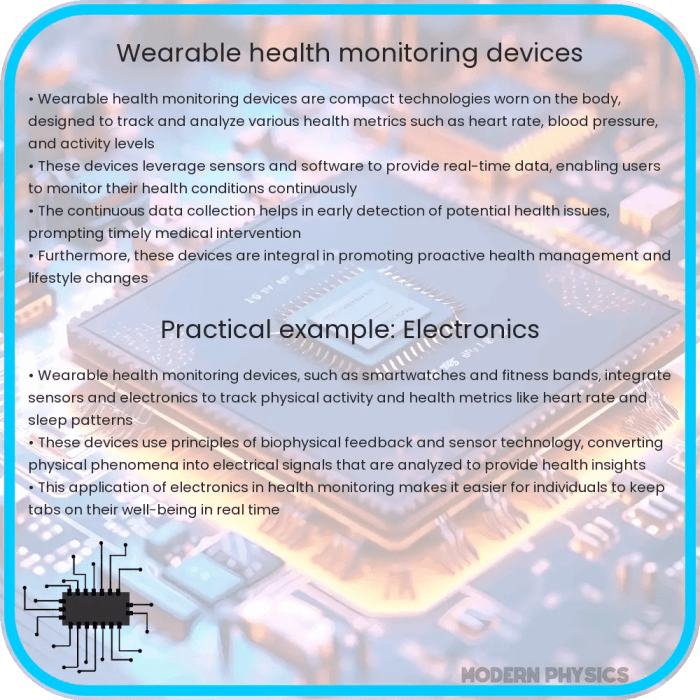
Wearable technology has revolutionized the way individuals approach their health and wellness. By providing real-time data and insights into various aspects of one's well-being, wearable devices have a significant impact on shaping health behaviors.
Positive Influence on Health Behavior
Wearable devices have empowered users to take charge of their health by tracking key metrics such as physical activity, sleep patterns, heart rate, and more. This data-driven approach enables individuals to set specific health goals, monitor their progress, and make informed decisions regarding their lifestyle choices.
For example, someone using a fitness tracker may be motivated to increase their daily step count or improve their sleep quality after seeing their data trends over time.
Examples of Positive Lifestyle Changes
Increased Physical Activity
Wearable devices like fitness trackers encourage users to stay active throughout the day by setting reminders to move and tracking their exercise routines. This has led to a more active lifestyle for many individuals.
Better Sleep Habits
Sleep trackers provide insights into sleep quality and duration, prompting users to establish healthier bedtime routines and prioritize restful sleep. This has resulted in improved overall well-being for many users.
Enhanced Stress Management
Some wearables offer stress tracking features that help users identify stress triggers and practice mindfulness techniques to reduce stress levels. This has positively impacted mental health and overall stress management.
Challenges of Relying Solely on Wearable Devices
Data Accuracy Concerns
While wearable devices provide valuable health data, there may be inaccuracies or discrepancies in certain metrics, leading to potential misinterpretation of information.
Overreliance on Technology
Relying solely on wearable devices for health monitoring may create a dependency on technology and detract from the intuitive understanding of one's body signals and cues.
Privacy and Security Risks
Storing personal health data on wearable devices poses privacy risks, especially if the data is not adequately protected from potential breaches or unauthorized access.
Integration of Wearable Devices with Healthcare Systems
Wearable devices have revolutionized the way healthcare systems operate, providing valuable real-time data that can be integrated seamlessly into traditional healthcare practices. This integration has opened up new possibilities for improving patient outcomes and streamlining healthcare delivery.
Role of Wearable Technology in Telemedicine and Remote Patient Monitoring
Wearable technology plays a crucial role in telemedicine and remote patient monitoring by enabling healthcare providers to remotely monitor patients' vital signs, activity levels, and overall health status. This real-time data allows for early detection of any health issues, leading to timely interventions and personalized care plans.
It also promotes patient engagement and empowers individuals to take charge of their health.
- Wearable devices facilitate virtual consultations between patients and healthcare providers, allowing for continuous monitoring and follow-up care without the need for in-person visits.
- Remote patient monitoring using wearable devices enables healthcare professionals to track patients' progress, adjust treatment plans accordingly, and intervene promptly in case of any abnormalities.
- Integration of wearable technology in telemedicine enhances access to healthcare services, particularly for individuals in remote or underserved areas, improving overall healthcare equity.
Implications of Wearable Devices on Healthcare Delivery and Patient Outcomes
The integration of wearable devices in healthcare systems has significant implications for healthcare delivery and patient outcomes. By providing continuous, real-time data, wearable technology enhances the efficiency and effectiveness of healthcare services.
- Healthcare providers can make more informed decisions based on the data collected from wearable devices, leading to better management of chronic conditions and preventive care.
- Wearable technology promotes proactive healthcare by encouraging individuals to adopt healthier lifestyles, monitor their health metrics, and adhere to treatment plans, ultimately improving patient outcomes.
- The use of wearable devices in healthcare systems can lead to cost savings by preventing unnecessary hospital admissions, reducing healthcare resource utilization, and improving overall healthcare quality.
Final Summary
In conclusion, wearable devices and personal health monitoring pave the way for a future where individuals have the tools to proactively manage their health. By seamlessly integrating technology into healthcare, we embark on a journey towards a healthier and more informed society.
Essential FAQs
How accurate are wearable devices in tracking health data?
Wearable devices generally provide a good estimate of health data but may not always be 100% accurate due to various factors such as device placement and individual variability.
Can wearable devices be used for medical diagnosis?
Wearable devices are primarily used for health monitoring and tracking trends over time. They are not a replacement for professional medical diagnosis.
Are wearable devices secure in terms of data privacy?
Most wearable device manufacturers prioritize data security and privacy. It's essential to choose reputable brands and understand their privacy policies.